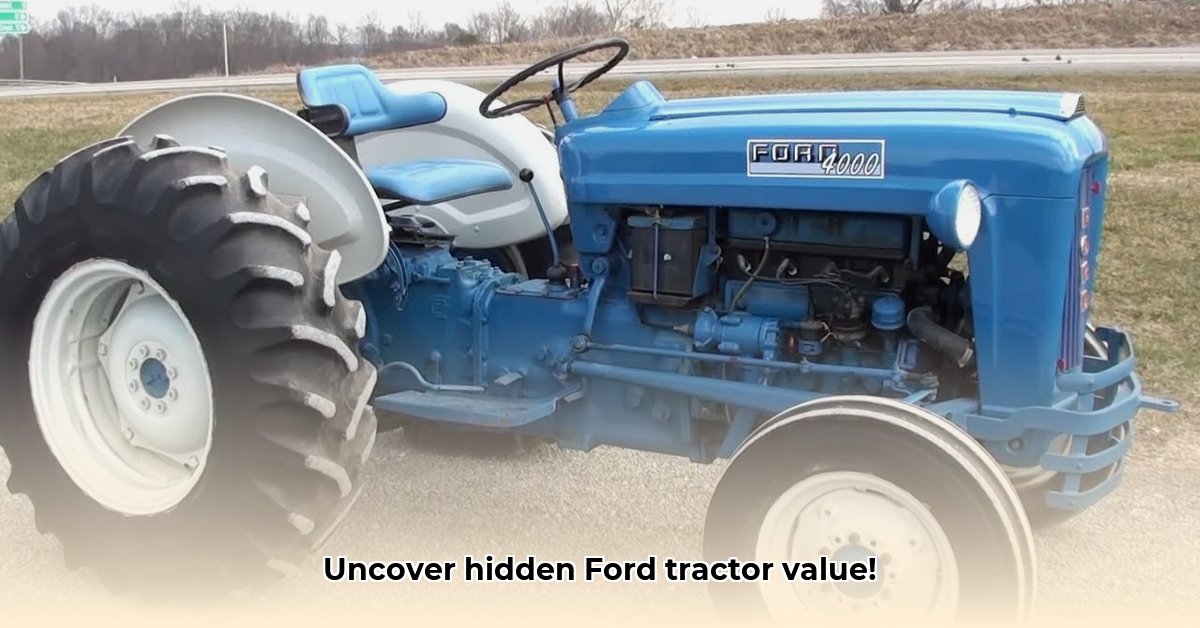
1963 Ford Tractor: A Collector's Deep Dive
The satisfying rumble of a classic tractor engine, the scent of freshly turned earth – these are the sensory hallmarks of a 1963 Ford tractor. More than just machinery, these iconic machines represent a piece of American agricultural history, a blend of rugged dependability and enduring style. This guide delves into the world of the 1963 Ford tractor, exploring its history, current market value, and providing actionable advice for collectors, enthusiasts, and anyone intrigued by this piece of living history. For original parts, check out these Ford tractor seats.
A Legacy Forged in Steel: The Story of the '63 Ford Tractor
Picture the vibrant farmlands of the 1960s. The workhorse at the heart of it all? Often, a Ford tractor. The 1963 models, building on decades of innovation, marked a significant step in Ford's agricultural legacy. Their robust construction, efficient engines, and relatively straightforward mechanics ensured longevity and fostered a dedicated following among enthusiasts. These weren't just machines; they were symbols of American ingenuity and the backbone of countless farms. But what fuels the collector's passion for these steadfast machines today?
Ford's journey into tractor manufacturing began in 1939, and the 1963 models represent a culmination of years of refining design and engineering. Advancements in technology and construction made them highly desirable and reliable workhorses, contributing to their lasting appeal. Their enduring popularity is a testament to their quality, practicality, and the rich history they embody.
The 1963 Ford Tractor Market: Value and Trends
Determining the precise market value of a vintage tractor is challenging, akin to forecasting the weather. Online auction sites and collector forums offer glimpses into the market, with some sales suggesting an average price around $6,000. However, this is a limited snapshot of a complex market. Several factors dramatically influence a 1963 Ford tractor's worth:
Condition: A meticulously restored tractor in pristine shape will command a premium. However, a well-maintained original tractor, bearing the marks of its history with grace, can also hold significant value. Originality adds character and often increases desirability.
Rarity: The scarcity of well-preserved 1963 Ford tractors significantly impacts their value. Unique configurations or features can further elevate their worth.
Completeness: A complete tractor, including original manuals and service records, is far more valuable than an incomplete one. These documents are akin to the tractor's family history, adding significant authenticity and value.
While comprehensive sales data is limited, the active collector's market itself demonstrates the enduring appeal of these tractors. It indicates a strong appreciation for their historical significance and the sentimental value they hold for many.
Buying, Selling, and Maintaining Your 1963 Ford Tractor
Buying a 1963 Ford Tractor: Your Buyer's Checklist
Considering adding a 1963 Ford tractor to your collection? Excellent! However, careful consideration is crucial. Follow this checklist:
Thorough Inspection: Don't simply admire its aesthetics. Conduct a detailed mechanical inspection, checking the engine, transmission, and hydraulics for leaks, proper function, and signs of wear.
Documentation Dive: Original manuals and service records are invaluable. They provide the tractor's history and are critical for future maintenance and restoration.
Authenticity Assessment: Consult experienced mechanics or knowledgeable collectors to ensure the tractor's authenticity and the validity of any restoration work.
Market Research: Research current market prices using multiple sources, understanding that condition significantly impacts value.
Restoration and Maintenance: Keeping Your Tractor Thriving
Owning a vintage tractor is a rewarding but demanding endeavor, requiring time, resources, and expertise.
Parts Sourcing: Finding original parts can be challenging. Online forums, salvage yards, and specialized parts suppliers are valuable resources. Compatibility with parts from similar Ford models might also be considered.
Professional Guidance: For major repairs or restorations, engaging a skilled mechanic specializing in vintage tractors is highly recommended.
Preventive Maintenance: Regular servicing is essential to prevent costly breakdowns and prolong your tractor's life. A proactive approach saves time, money, and potential headaches in the long run.
Investing in a Piece of History: More Than Just a Machine
A 1963 Ford tractor is more than just an investment; it's an acquisition steeped in history. It represents a piece of Americana, a tangible connection to a bygone era of agriculture and American ingenuity. It's a chance to connect with the past, preserve a legacy, and become part of a passionate collector's community. Are you ready to embrace this rewarding journey?
Authenticating Your 1963 Ford Tractor
Unraveling the Mystery: Dating Your 1963 Ford Tractor
Authenticating a 1963 Ford tractor requires diligent investigation. The first step is locating the tractor's identification numbers, which can vary in location depending on the specific model. Owner's manuals are invaluable resources in locating these critical identifiers. The serial number, akin to the tractor's unique fingerprint, is paramount.
Cross-referencing the serial number with available databases and online enthusiast communities is crucial. While access to original Ford factory records may be limited, these online communities provide invaluable resources for verification and authentication.
Beyond Serial Numbers: A Multifaceted Approach
Visual inspection is as important as numerical verification. Examine paint, decals, and components for consistency with the 1963 era. Signs of replacement parts or modifications can indicate alterations or potential inauthenticity. A thorough mechanical assessment, including a close examination of the engine's sound, the transmission's operation, and the hydraulics’ functionality should also be performed.
Market research, comparing the tractor's condition and features to similarly listed ones, provides valuable insight into its potential worth and overall authenticity.
Putting It All Together: A Step-by-Step Guide
Locate Identification: Pinpoint serial number and other identification markings, consulting model-specific manuals.
Cross-Reference: Compare the serial number with other online resources and enthusiast communities.
Visual Inspection: Carefully assess the tractor's visual aspects for signs of originality and potential modifications.
Mechanical Assessment: Thoroughly examine its mechanical components and their functionality.
Market Research: Investigate current market values of comparable 1963 Ford tractors.